Watch Paul’s Latest Ontario Landlord Videos
 ▶
▶ ▶
▶ ▶
▶ ▶
▶ ▶
▶ ▶
▶ ▶
▶ ▶
▶ ▶
▶ ▶
▶140+ Ontario Landlord Videos — All Free, All in One Place
Practical Ontario landlord advice from Paul J. Rouillard — tenant screening, N4 strategy, LTB hearings, Bill 60 updates, Equifax rent reporting, and real-world property management systems that protect your rental income.
87 regular videos and 53 60-second shorts. Aug 1, 2023 — May 1, 2026. New video every week.
140 Ontario Landlord Videos — New One Every Week
Subscribe to Paul J. Rouillard’s YouTube channel for weekly Ontario landlord tips: tenant screening, N4 walkthroughs, LTB hearing prep, Bill 60 updates, eviction strategy, and real-world property management advice.
N4 / Non-Payment of Rent
The most common Ontario landlord eviction notice. Monthly N4 walkthroughs, service rules, common mistakes, and what to do if rent stays unpaid.
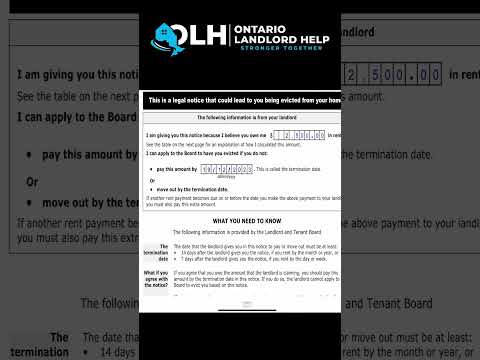
N4 Form Ontario May 2026 – Step-by-Step Guide + Rent Reporting to Equifax (Landlord Must Watch)
More N4 / Non-Payment of Rent Videos — 38 more
 1:22
1:22
 6:08
6:08
 0:55
SHORT
0:55
SHORT
 0:52
SHORT
0:52
SHORT
 0:42
SHORT
0:42
SHORT
 0:59
SHORT
0:59
SHORT
 3:05
3:05
 2:37
2:37
 1:36
1:36
 2:36
2:36
 7:32
7:32
 1:40
1:40
 3:38
3:38
 3:21
3:21
 1:38
1:38
 0:58
SHORT
0:58
SHORT
 3:22
3:22
 0:47
SHORT
0:47
SHORT
 1:00
SHORT
1:00
SHORT
 4:01
4:01
 0:21
SHORT
0:21
SHORT
 0:55
SHORT
0:55
SHORT
 0:34
SHORT
0:34
SHORT
 0:34
SHORT
0:34
SHORT
 4:42
4:42
 0:56
SHORT
0:56
SHORT
 0:56
SHORT
0:56
SHORT
 0:55
SHORT
0:55
SHORT
 0:45
SHORT
0:45
SHORT
 4:26
4:26
 2:42
2:42
 5:41
5:41
 0:59
SHORT
0:59
SHORT
 0:59
SHORT
0:59
SHORT
 1:00
SHORT
1:00
SHORT
 1:00
SHORT
1:00
SHORT
 0:21
SHORT
0:21
SHORT
 9:19
9:19
Tenant Screening
Screening is your #1 defense against non-payment and evictions. The questions to ask, the red flags to catch early, and the order that catches dishonest applicants.
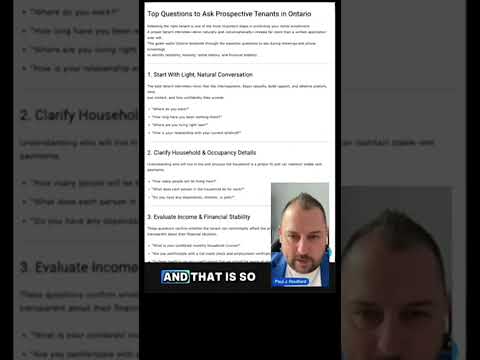
The First Question I Ask Every Prospective Tenant
More Tenant Screening Videos — 10 more




Bill 60 / Ontario Law Updates
Sweeping Bill 60 updates to the Residential Tenancies Act. Eviction timelines, compensation rules, LTB procedural changes, and what landlords need to prepare for.
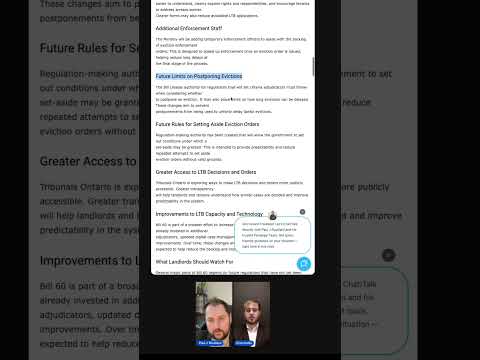
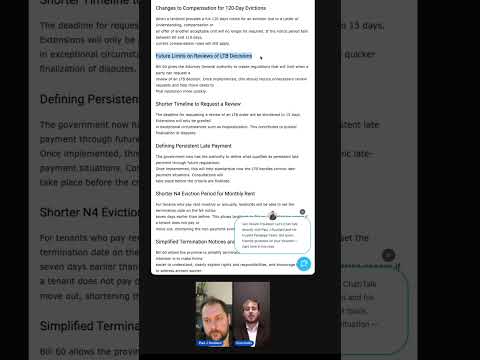
Bill 60: LTB Decisions Going Public — Huge Change for Ontario Landlords
More Bill 60 / Ontario Law Updates Videos — 21 more








Property Management
How to find a property manager, what to ask before hiring, and whether you really need one. Real-world Ontario property management advice.
Do Landlords REALLY Need Property Management?
More Property Management Videos — 15 more




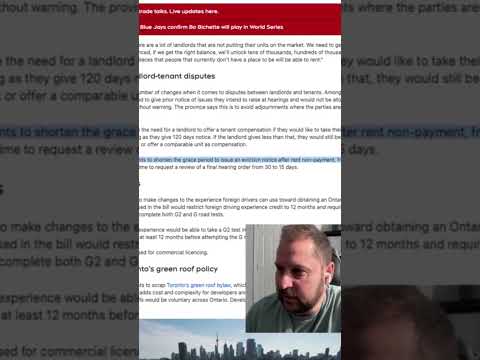
LTB Hearings & Process
Ontario LTB Zoom hearing links, L1 applications, hearing prep, and what to expect at a Landlord and Tenant Board hearing.
Ontario LTB Hearing Links Are Live | Watch LTB Zoom Hearings Online
More LTB Hearings and Process Videos — 5 more



Rent Reporting / Equifax
Report Ontario tenant rent payments to Equifax for free via LandlordEzy.ca. Reward on-time payers and hold late tenants accountable.
This One Tool Could Change the Entire Rental Industry! 🏠💥 Landlords — this is the tool that could
More Rent Reporting / Equifax Videos — 9 more


Maintenance & Inspections
Move-in and move-out inspections, repair documentation, key deposits, damage protection, and reducing future tenant disputes.
Property Managers Are Overcharging You Maintenance
More Maintenance and Inspections Videos — 12 more


Other Eviction Notices (N5 - N8)
N5, N6, N7, N8 eviction notices for interference, damage, illegal acts, and end-of-term tenancies.
Shortening Eviction Notice Periods: The Game-Changer Landlords Have Been Waiting For Description:
More Other Eviction Notices (N5 - N8) Videos — 1 more

Tenant Disputes & Communication
Communicating with tenants, handling difficult conversations, references, and managing disputes before they escalate to the LTB.
Where to Advertise Your Rental Property in Ontario | Avoid Bad Tenants & Save Thousands
More Tenant Disputes and Communication Videos — 1 more
Investment & Buying Rentals
Investing in Ontario rental property, financing, and what to know before buying your first rental.
Mortgage Trends 🏡: Latest Interest Rates Powered by OLH Group Trusted Business 📈
More Investment and Buying Rentals Videos — 1 more

Tips & Systems That Protect Ontario Landlords
The habits that reduce tenant problems, improve rent collection, and protect you if things end up at the LTB.
Tenant Screening — First Line of Defense
- Use one consistent application and process for every applicant.
- Verify income, employment, and identity — don’t rely on “good vibes.”
- Call references directly and confirm rental history with details.
- Look for story inconsistencies (timelines, job, move reason, urgency).
Rent Collection & Arrears
- Set expectations from day one (due date, payment method, documentation).
- Track payments with a clean rent ledger and save all messages.
- Report rent to Equifax monthly via LandlordEzy — on-time payers see credit benefit.
- When rent is missed: act fast and document everything.
Documentation & Compliance
- Write everything down. If it isn’t documented, it’s harder to prove later.
- Use inspection notes and photos. Keep records organized by date.
- Respond to repair requests reasonably and keep a repair log.
- Don’t wing it with notices — one form error can reset the process.
Facing Non-Payment, LTB Issues, or Tenant Problems? Talk to a paralegal — free.
Watch the videos to learn. But if you’re dealing with a real situation, don’t guess. Book a free 15-minute consultation with a licensed Ontario landlord paralegal and get a step-by-step plan.
Ontario Landlord FAQs
How often do you publish new Ontario landlord videos?
Weekly. Paul J. Rouillard publishes new Ontario landlord tips every week covering tenant screening, N4 walkthroughs, LTB hearings, Bill 60 updates, Equifax rent reporting, and property management best practices. Subscribe on YouTube to be notified.
What is the best way to avoid non-payment of rent in Ontario?
Strong tenant screening, clear onboarding expectations, consistent documentation, monthly rent reporting to Equifax (via LandlordEzy.ca), and fast action when rent is missed. If you’re currently dealing with arrears, a free consultation with a licensed Ontario paralegal will tell you whether you’re taking the correct first steps.
Where can I watch all your Ontario landlord videos?
This page lists 140 landlord-focused videos and shorts organized by topic. All videos are also on the YouTube channel @PaulJRouillard with new content published weekly.
Do you help landlords across all of Ontario?
Yes. Our video content and self-help resources are Ontario-wide. Free consultations and full property management plus paralegal services are available province-wide, with on-the-ground teams in Windsor, London, the GTA, and other major Ontario regions.